
India doesn’t have an AI adoption problem. We have an AI trust problem.

The numbers tell an interesting story:
• Enterprise AI investment in India grew 119% in one year.
• AI already consumes 16.6% of IT budgets, expected to reach 21.3% by 2027
.• 54% of enterprises are deploying AI agents.
• Yet only 11% have reached autonomous workflows.
• Only 22% have proper AI testing, auditing and risk-assessment processes.
• 74% cite data quality and access as major challenges.
Globally, only 22% of organisations have successfully scaled AI across business units.
The message is clear:
AI investment is scaling faster than AI maturity.
And the risk increases as we move from:
AI recommends → AI decides → AI acts
For CEOs, CTOs and Boards, the question is no longer:
"How much AI are we deploying?"
It is:
"Can we trust AI to act on our behalf?"
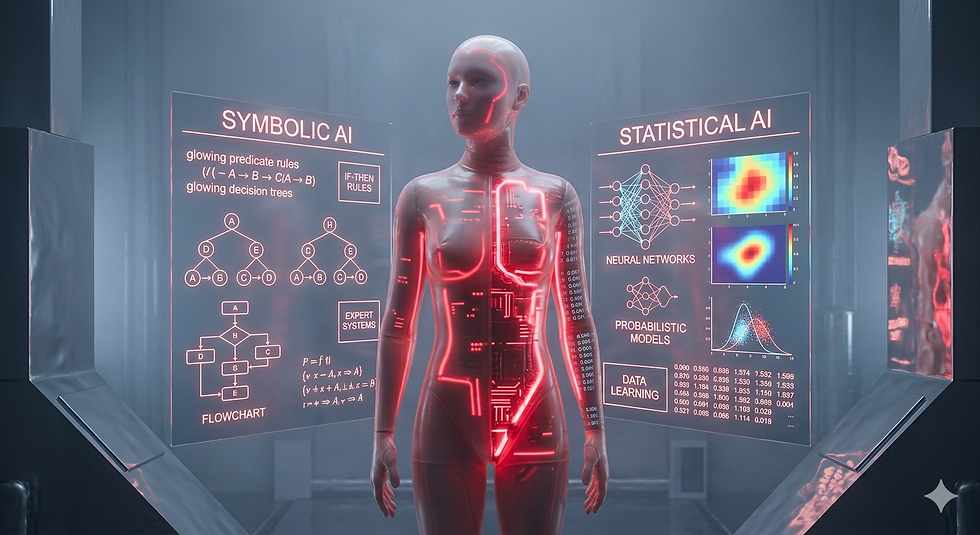
This is where I believe Neuro-Symbolic High-Trust AI becomes critical.
Use neural AI for reasoning, prediction and adaptation.
Use symbolic controls for rules, policies, constraints, permissions and auditability.
In other words:
Deterministic governance around probabilistic intelligence.
The next AI advantage may not be a better model.
It may be the ability to scale AI without scaling risk.

Comments